
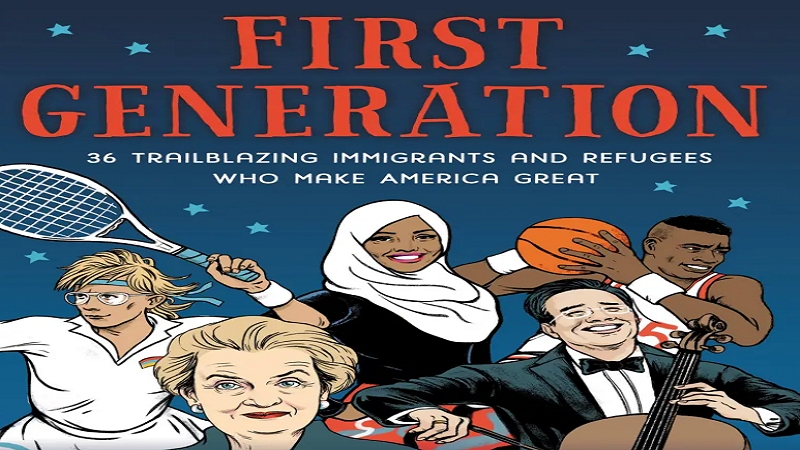
The term 1st generation immigrant describes someone who moves from their country of birth to another country to live. However, the term can become confusing when people discuss citizenship, children of immigrants, and cultural identity.
In the United States, the U.S. Census Bureau generally defines first-generation people as those born outside the country. Under this definition, someone born in Pakistan who moves to the United States is a first-generation immigrant. Their child born in the United States is generally second generation.
Understanding this distinction helps explain immigration terminology, family backgrounds, and the differences between immigrant generations.
What Is a 1st Generation Immigrant?
A first-generation immigrant is generally a person who was born in one country and later moved to another country to establish residence.
For example, imagine someone who grows up in Pakistan and later moves to Canada for work. Under the usual migration-based meaning, that person is a first-generation immigrant in Canada.
The term describes a person’s migration background. It does not automatically determine their citizenship, immigration status, language, or cultural identity.
A first-generation immigrant might become a citizen of their new country through naturalization. They may also retain citizenship from their country of origin, depending on the laws involved.
The exact definition depends on the organization, country, or research study using the term.
Examples of First-Generation Immigrants
Realistic examples make the definition easier to understand.
Example 1: Moving for a Job
A woman is born in India and moves to the United Kingdom to accept a job. She settles there and begins building her life.
She is a first-generation immigrant because she was born in one country and moved to another.
Example 2: Moving for Education
A student grows up in Nigeria and moves to the United States to attend university. Later, the student stays in the country and establishes a permanent life.
The student is foreign-born and may be described as a first-generation immigrant. Their exact immigration category depends on their circumstances and legal status.
Example 3: Raising Children After Immigration
A couple moves from Mexico to the United States and raises their family there. Their child is born in the United States.
The parents are first-generation immigrants. Under the standard U.S. Census Bureau framework, their U.S.-born child belongs to the second generation.
These examples show that the term relates primarily to where a person was born and whether they migrated, not simply to their ethnicity or family traditions.
First Generation vs. Second Generation vs. Third Generation
The main difference between immigrant generations is where individuals and their parents were born.
| Generation | General meaning | Example in the United States |
|---|---|---|
| First generation | Born outside the country and immigrated | A person born in Pakistan who moves to the United States |
| Second generation | Born in the United States with at least one foreign-born parent | A child born in the United States to a Pakistani immigrant |
| Third generation or higher | Generally born in the United States to U.S.-born parents | A person whose parents were both born in the United States |
These descriptions follow the broad U.S. Census Bureau framework. The definition of second generation can differ in studies that require both parents to be immigrants rather than just one.
The distinction matters because a person born in a country can have a different generational classification from their parents, even when the family shares the same cultural heritage.
Is a First-Generation Immigrant the Same as a First-Generation American?
Not always. These expressions overlap, but their meanings can vary.
A first-generation immigrant generally refers to someone who personally moved to a new country. The phrase first-generation American can refer to an immigrant who now lives in the United States, but some people use it to describe a U.S.-born child of immigrants.
This difference creates confusion in everyday conversations.
For example, a person born in the Philippines who later moves to the United States may call themselves a first-generation American. Another person might use that expression for a child born in the United States to Filipino parents.
Neither usage should automatically be assumed without considering the context. For demographic research, it is better to specify whether the person was born abroad or born in the United States to immigrant parents.
Are First-Generation Immigrants Always Foreign Citizens?
No. Being an immigrant does not necessarily mean someone is still a foreign citizen.
A person can immigrate to another country and later become a naturalized citizen. The person’s migration history remains unchanged even after their citizenship changes.
For example, someone born in Brazil may move to the United States and later become a U.S. citizen. That person may still be classified as first generation under the U.S. Census Bureau’s generational framework.
Immigration generation and citizenship status describe different things.
A person’s legal status depends on the relevant country’s immigration and nationality laws. Their generational status generally depends on birthplace and, for later generations, their parents’ birthplaces.
Common Experiences of First-Generation Immigrants
Every immigrant has a different background. Still, moving to another country can involve practical adjustments that are worth understanding.
Language and Communication
Some immigrants move to a country where people speak a different language. They may need time to learn everyday expressions, understand local institutions, or communicate confidently at work.
Other immigrants already speak the main language of their destination. Language adjustment is therefore not a universal immigrant experience.
Employment and Education
Qualifications earned in one country may not automatically meet the requirements of another. Some professionals need additional certification, local training, or an assessment of their educational credentials.
Students may also need to learn a different education system, application process, or set of academic expectations.
Family and Cultural Connections
Immigrants may maintain close relationships with relatives in their country of origin while building new connections in their destination country.
Food, holidays, language, religion, and family traditions can remain important parts of daily life. However, cultural practices differ widely among individuals and communities.
Building a New Social Network
Moving can require people to develop new friendships, professional relationships, and support systems. Community organizations, workplaces, schools, and local groups may help people establish those connections.
These are possible experiences, not defining characteristics of every first-generation immigrant. Age at migration, financial resources, language skills, family support, and the destination country’s policies can all influence an individual’s experience.
How Does First-Generation Immigrant Status Affect Identity?
An immigrant’s identity can include several influences at once. Someone may feel connected to their birthplace, their new home, or both.
For example, a person who immigrates from Pakistan to Canada might continue speaking Urdu at home, celebrate Pakistani holidays, and participate in Canadian community life.
Another person with the same migration background may adopt different cultural practices. Neither experience determines whether someone is more or less of an immigrant.
Generational labels are useful for demographic research, but they cannot fully explain a person’s beliefs, relationships, or sense of belonging.
It is also important to distinguish cultural identity from legal nationality. Someone may identify strongly with their heritage while holding citizenship in another country.
Why Definitions of First Generation Can Differ
There is no single definition that applies identically to every country, institution, and research project.
The U.S. Census Bureau defines the first generation as foreign-born individuals. Statistics Canada also classifies people born outside Canada as first generation in its generational-status framework.
However, some educational, social, or cultural discussions use first-generation terminology differently. The phrase first-generation college student, for instance, refers to a person’s family history of higher education rather than their immigration history.
When reading an article or research report, check how the author defines the term. This is especially important when comparing demographic statistics across countries.
Frequently Asked Questions
What does 1st generation immigrant mean?
A first-generation immigrant is generally someone born in one country who moves to another country to live. In official U.S. demographic terminology, first generation refers to foreign-born individuals.
Is a child of an immigrant a first-generation immigrant?
Under the standard U.S. Census Bureau framework, a child born in the United States to an immigrant parent is second generation. If the child was born abroad and later immigrated, they are generally first generation.
What is the difference between a first-generation immigrant and a second-generation immigrant?
A first-generation immigrant was born outside the destination country and moved there. A second-generation person is generally born in the destination country and has at least one foreign-born parent.
Can a first-generation immigrant become a citizen?
Yes. An immigrant may become a citizen through naturalization if they meet the applicable legal requirements. Becoming a citizen does not change their birthplace or migration history.
Is a first-generation immigrant the same as a foreign-born person?
In U.S. demographic statistics, first generation generally refers to foreign-born individuals. However, definitions can vary between organizations and studies, so it is helpful to check the terminology used by a particular source.
What is a third-generation immigrant?
In the standard U.S. framework, third-generation or higher generally describes someone born in the United States whose parents were also born there. The person may have immigrant grandparents or more distant immigrant ancestors.
Does first-generation immigrant mean someone has a different culture?
No. The term describes migration background, not a specific culture or set of beliefs. First-generation immigrants have diverse languages, traditions, experiences, and identities.
Is a first-generation college student the same as a first-generation immigrant?
No. First-generation college student refers to a person’s family history of higher education. First-generation immigrant refers to migration background. The two labels describe different circumstances.
Final Thoughts
A 1st generation immigrant is generally someone who was born in one country and moved to another to live there. In the United States and Canada, official demographic frameworks classify foreign-born residents as first generation.
Their children born in the destination country are generally considered second generation, although definitions may vary by study or context.
The most important distinction is that immigrant generation, citizenship, and cultural identity are separate concepts. Understanding those differences makes conversations about immigration more accurate and respectful.