
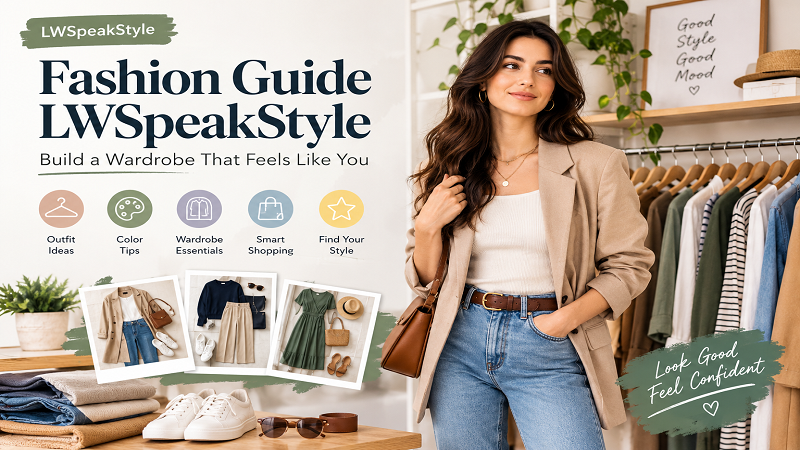
Getting dressed should not require a closet full of clothes or hours of searching for the right combination. The Fashion Guide LWSpeakStyle offers a useful starting point for developing personal style through thoughtful clothing choices, versatile outfits, and practical wardrobe planning.
The phrase appears in online fashion content, including guides published on LWSpeakStyle. However, it is not established as a formally recognized fashion methodology. In this article, it refers to a practical styling approach built around fit, personal preferences, comfort, and clothing that works for your daily routine.
Whether you want to improve your everyday outfits, make better shopping decisions, or get more use out of clothes you already own, the goal is simple: create a wardrobe that works for your life.
What Is the Fashion Guide LWSpeakStyle?
The Fashion Guide LWSpeakStyle is a search term associated with advice about personal style, wardrobe organization, and outfit coordination. The central idea is to make clothing choices more intentional rather than buying items simply because they are fashionable.
You can apply this approach without following a strict aesthetic or purchasing an entirely new wardrobe. Start with what you already own and identify the pieces that fit comfortably, suit your activities, and reflect your preferences.
A practical approach to LWSpeakStyle can focus on four areas:
- Personal expression: Choosing clothes that reflect your taste rather than copying every trend.
- Fit and comfort: Wearing pieces that allow you to move comfortably and suit your preferred silhouette.
- Wardrobe versatility: Selecting items that work with several other pieces you own.
- Purposeful shopping: Buying clothing because it fills a genuine need, not simply because it is on sale.
These are useful styling principles, not official rules or a verified formula unique to LWSpeakStyle.
How to Discover Your Personal Fashion Style
Before changing your wardrobe, understand what you already like to wear. This makes it easier to recognize useful patterns and avoid purchases that look appealing in a store but remain unused at home.
1. Review the Clothes You Wear Most
Look through your wardrobe and identify five items you reach for regularly. Consider what makes each item appealing.
You might prefer the relaxed fit of a cotton shirt, the clean lines of tailored trousers, or the comfort of a particular pair of sneakers. These preferences provide clues about the styles that suit your routine.
Next, identify the items you rarely wear. Some may need minor alterations, while others may no longer suit your needs.
2. Choose Three Words to Describe Your Style
Pick three words that describe how you want your outfits to look or feel. For example:
- Classic, polished, comfortable
- Relaxed, creative, practical
- Minimal, modern, versatile
- Colorful, expressive, playful
Use these words as a simple shopping filter. If a new item does not fit your preferences or work with your lifestyle, you can reconsider whether it belongs in your wardrobe.
Your style can change over time, so treat these words as a starting point rather than permanent rules.
3. Consider Your Everyday Activities
A wardrobe should reflect how you actually spend your time.
Someone who works in an office may need smart trousers, shirts, and comfortable formal shoes. Someone who works remotely might prioritize relaxed layers and versatile casual clothing. A person who travels frequently may prefer lightweight pieces that combine easily.
List your main weekly activities and identify the clothing you need for each one. This helps you focus on useful purchases rather than building a wardrobe around occasions that rarely occur.
Build a Versatile Wardrobe Without Buying Everything New
A versatile wardrobe makes it easier to create multiple outfits from a manageable selection of clothes. You do not need to own a particular number of items to achieve this.
The best starting point is to identify gaps in your existing wardrobe and make your current pieces work together.
Essential Clothing Categories to Consider
| Category | Useful options | Why they help |
|---|---|---|
| Everyday tops | T-shirts, shirts, blouses | Create simple outfit foundations |
| Bottoms | Jeans, trousers, skirts | Work with different tops and layers |
| Outerwear | Jackets, cardigans, coats | Add warmth and change an outfit’s overall look |
| Footwear | Sneakers, flats, boots, formal shoes | Match different activities and settings |
| Accessories | Belts, scarves, bags, jewelry | Add color, texture, and personal detail |
These are examples, not a mandatory shopping list. Your needs will depend on your climate, budget, activities, and personal preferences.
Try the Three-Outfit Test Before Buying
Before purchasing a new item, think of at least three outfits you could create with clothes you already own.
For example, a neutral overshirt might work with jeans and sneakers, tailored trousers and loafers, or a simple dress and ankle boots.
If you can identify several practical combinations, the item may offer more value than a piece that works with only one specific outfit.
This test is especially helpful when shopping during sales, when discounts can make unnecessary purchases seem attractive.
How to Coordinate Colors and Patterns
Color coordination can make outfit planning easier, but there is no single palette that everyone must follow. The right combinations depend on personal taste, the occasion, and the overall look you want.
Start With Colors You Already Wear
Look at your most-used clothing and identify recurring colors. You may notice a preference for black, navy, cream, brown, gray, or brighter shades.
If your wardrobe already contains several neutral pieces, introducing one or two accent colors can create variety without requiring many new purchases.
For example, a navy shirt and beige trousers can be paired with brown shoes for a restrained look. Alternatively, a colorful bag or scarf can add contrast.
Experiment With Color Combinations
Try these combinations as starting points:
- Navy and cream for a clean, balanced appearance.
- Black and gray for a simple, understated outfit.
- Brown and light blue for a softer contrast.
- Green and beige for an earthy combination.
- A neutral base with one bright accent for a more expressive look.
These are suggestions rather than universal rules. Use the combinations you enjoy wearing.
Mix Patterns With Intention
If you want to wear more than one pattern, vary their scale or keep their colors connected. For example, a finely striped shirt may work with a larger check pattern when the colors complement each other.
If the combination feels too busy, keep the remaining pieces simple. You do not have to mix patterns to dress well, and a single patterned item can be enough to give an outfit character.
Choose Clothes That Fit and Feel Comfortable
Fit affects how an outfit looks and how comfortably you can wear it. However, a good fit does not mean every garment must be tight or tailored.
Some people prefer structured silhouettes, while others feel better in relaxed or oversized clothing. Either can work when the proportions suit your preferences and the outfit serves its purpose.
Check Fit in Everyday Movement
When trying on clothing, do more than look in the mirror.
- Sit down to see whether trousers or skirts remain comfortable.
- Raise your arms to check whether a shirt or jacket restricts movement.
- Walk in your shoes to assess comfort and stability.
- Check shoulder seams, waistbands, and garment length according to the intended fit.
These simple checks help you assess whether an item will work beyond the fitting room.
Understand Fabric and Care Requirements
Fabric affects how clothing feels, drapes, and needs to be maintained. Cotton, linen, wool, denim, and synthetic blends each have different properties, and the best choice depends on the garment and its intended use.
Before buying, read the care label. A garment that requires frequent specialist cleaning may not be practical for someone who prefers low-maintenance clothing.
Consider the climate, how often you expect to wear the item, and whether you can comfortably care for it.
Create Outfits for Different Occasions
A practical wardrobe should make it easier to get dressed for the situations you encounter most often. Instead of building every outfit from scratch, start with combinations you know work and adjust them for the occasion.
Casual Everyday Outfits
For a relaxed day, try jeans, a comfortable T-shirt, and clean sneakers. Add a lightweight jacket or overshirt if the weather calls for another layer.
You can change the appearance by adjusting the fit, choosing different colors, or switching footwear without replacing the entire outfit.
Work and Professional Settings
For a more formal setting, consider tailored trousers, a well-fitting shirt or blouse, and appropriate shoes. A blazer or structured jacket can add another layer when needed.
Dress codes vary by workplace, so use the expectations of your environment as a guide. Professional clothing does not have to mean expensive designer labels.
Dinner and Social Events
For a social occasion, begin with one item you enjoy wearing, such as a dress, a tailored shirt, or a distinctive pair of trousers. Build around it with suitable footwear and one or two accessories.
Check the venue and event details before deciding how formal the outfit should be.
Seasonal Dressing
As temperatures change, adjust your layers and fabrics rather than automatically replacing your wardrobe.
In warmer weather, lightweight fabrics and breathable clothing may be more comfortable. In colder conditions, layering helps you adapt to changing temperatures throughout the day.
Consider your local climate and the care needs of each garment when planning seasonal outfits.
Use Accessories to Make Simple Outfits More Personal
Accessories can change the appearance of an outfit without requiring an entirely different set of clothes. The key is choosing pieces that serve a purpose or add a detail you genuinely enjoy.
Bags and Belts
A bag can provide practical storage while adding color or texture. A belt can define the waist, add contrast, or create a more coordinated appearance.
Choose items based on how you use them, not just how they look.
Jewelry and Watches
A watch, necklace, bracelet, or pair of earrings can introduce a personal detail. You can keep accessories understated or layer them if that suits your style.
There is no requirement to match every accessory. Repeating one color or material can create visual connection, but deliberate contrast can work just as well.
Scarves and Other Layers
Scarves, hats, and lightweight layers can add interest and help you adapt to the weather. They are also useful when you want to change a familiar outfit without purchasing additional clothing.
Try one accessory at a time and see whether it improves the outfit for your needs.
How to Shop More Intentionally on a Budget
Improving your style does not necessarily require spending more. Often, the most useful first step is understanding what you already own and identifying what is genuinely missing.
Make a List Before Shopping
Check your wardrobe and write down any practical gaps. You may need comfortable everyday shoes, a jacket for cooler weather, or trousers that work with several tops.
A specific list makes it easier to compare products and avoid buying duplicates.
Calculate Cost Per Wear Carefully
Cost per wear is a simple way to compare the potential value of clothing.
Divide the purchase price by the number of times you expect to wear the item.
For example, a $60 jacket worn 30 times has a cost of $2 per wear. A $30 top worn five times has a cost of $6 per wear.
These figures are illustrative calculations, not a guarantee of future use. Actual value also depends on comfort, durability, maintenance, and how well the item meets your needs.
Check Quality and Return Conditions
Inspect seams, buttons, zippers, fabric, and overall construction when possible. Read the care instructions and review the return policy before purchasing, especially when shopping online.
A low price is less useful if an item does not fit properly, wears out quickly, or cannot be returned when it is unsuitable.
Avoid Buying Trends Without a Plan
Trends can provide inspiration, but not every popular item will suit your wardrobe. Before buying one, consider whether you like it independently of its popularity and whether you can create outfits with it.
You can participate in trends through accessories or smaller additions rather than replacing your entire wardrobe each season.
A Simple Weekly Wardrobe Routine
A short weekly review can help you make better use of your clothes and reduce last-minute outfit decisions.
Step 1: Check your schedule. Identify workdays, social events, travel, and activities that require particular clothing.
Step 2: Choose a few outfits in advance. Combine items you already own and check that they are clean and ready to wear.
Step 3: Check the weather. Adjust your choices for temperature, rain, and other relevant conditions.
Step 4: Identify repeated problems. If you regularly struggle to find suitable shoes or a comfortable layer, make a note of that gap.
Step 5: Review before shopping. Buy something new only when it solves a genuine problem or adds value to your wardrobe.
This routine is flexible. Adapt it to your schedule rather than treating it as another task you must complete perfectly.
Common Fashion Mistakes to Avoid
A useful style guide should make clothing decisions easier, not create more rules to follow.
Watch out for these common problems:
- Buying clothes without checking your wardrobe: New pieces may duplicate items you already own.
- Choosing appearance over comfort: An outfit that restricts movement may not suit your daily activities.
- Following every trend: Popularity alone does not make a garment right for you.
- Ignoring care requirements: Maintenance can affect the long-term practicality of a purchase.
- Assuming expensive means better: Price alone does not establish fit, durability, or personal value.
- Trying to copy someone else’s entire wardrobe: Inspiration is useful, but your own needs and preferences should guide the final decision.
The goal is not to eliminate experimentation. It is to make choices that you can enjoy wearing and realistically maintain.
What is the Fashion Guide LWSpeakStyle?
The Fashion Guide LWSpeakStyle is a phrase used in online fashion content about personal styling, wardrobe planning, and outfit coordination. It can be approached as a practical framework for choosing clothing that reflects individual preferences and daily needs.
How can I develop my personal style?
Start by identifying the clothes you wear most often, the colors you prefer, and the fits that feel comfortable. Use these observations to guide future outfit combinations and shopping decisions.
Do I need expensive clothes to dress well?
No. You can create useful outfits with affordable clothing by focusing on fit, versatility, condition, and coordination. Price alone does not determine whether an item suits your needs.
What are the essential pieces of a versatile wardrobe?
Useful starting points include everyday tops, suitable bottoms, comfortable footwear, outerwear appropriate to your climate, and a few accessories. Your actual essentials depend on your lifestyle and the occasions for which you dress.
How can I coordinate colors in an outfit?
Start with colors you already enjoy wearing. Combine complementary or contrasting shades according to your preferences, and use a neutral piece to connect stronger colors when helpful.
How can I make my existing wardrobe more stylish?
Try different combinations of clothes you already own, experiment with layers, and use accessories to add interest. Identify pieces you rarely wear and determine whether they need alterations or no longer suit your needs.
Is LWSpeakStyle an officially recognized fashion system?
The available sources do not establish LWSpeakStyle as a formally recognized fashion methodology. The phrase appears in online fashion articles, but its exact origin and a standardized definition are not independently established.
How can I shop for clothes without wasting money?
Make a list of genuine wardrobe gaps, consider how an item will work with existing clothes, check its care requirements, and compare quality and return conditions before buying.
How often should I update my wardrobe?
There is no universal schedule. Review your wardrobe when your lifestyle, climate, clothing needs, or personal preferences change. Replace items when necessary rather than buying new clothes simply because a season has changed.
Final Thoughts
The Fashion Guide LWSpeakStyle is best approached as a practical way to think about personal style, not a strict set of fashion rules. Start by identifying what you like, reviewing what you own, and building outfits that suit your routine.
Pay attention to fit, comfort, color, and versatility before spending money on new pieces. Experiment with accessories and trends when they interest you, but keep your own preferences at the center of your decisions.
A useful wardrobe is not defined by its size or price. It is one that helps you get dressed with less uncertainty and feel comfortable expressing yourself. Click here